保险柜安全之谜揭秘
Philips Smart Safes: A Comprehensive Security Approach Understanding the Comprehensive Security of Philips Smart Safes
When choosing a safe, many people initially focus on the thickness of the cabinet and its weight, assuming that the heavier it is, the more secure it is. However, the level of security a safe can provide is never just a single dimension. It encompasses physical structure protection, access authorization verification, usage monitoring, and specialized protection against specific risks. The security of Philips smart safes is based on this layered approach, covering various storage needs in different scenarios.
The first layer of security comes from the physical structure, making unauthorized physical access more difficult. Many overlook the detail of the door gap, which is often the point of force for violent pry attempts. The SBX200 features an ultra-narrow door gap design, significantly reducing the gap between the door and the cabinet body, minimizing obvious pry points, and ensuring a more complete protection structure on the cabinet's front. This also makes the overall appearance more sleek and flat, with the safety structure itself becoming part of the design.
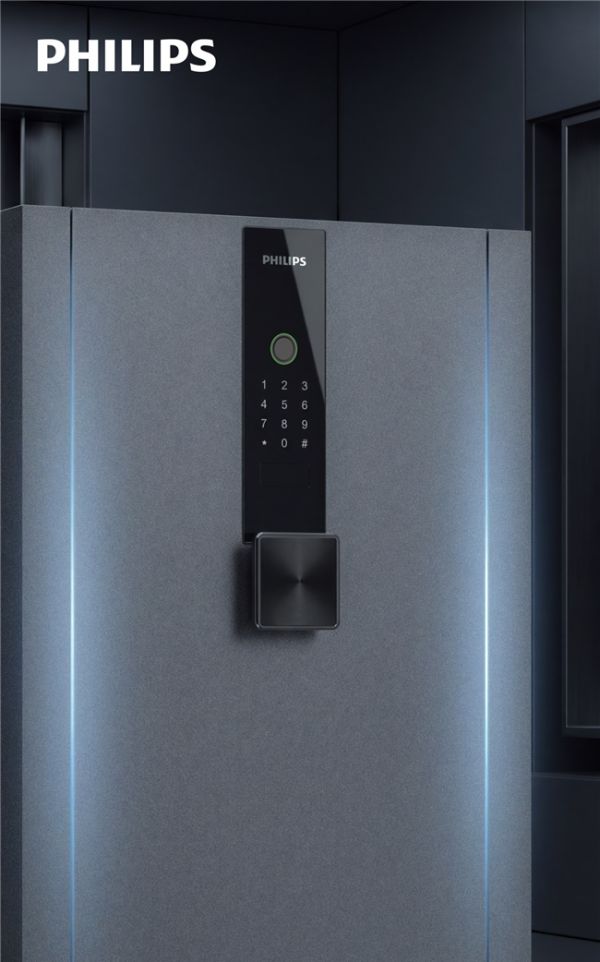
Building on this, the SBX603 further upgrades the structure protection with a three-sided bolt structure that secures the door from multiple directions, combined with 32mm diameter solid bolts to effectively enhance the door lock's closing strength and anti-pry ability. The design includes a hollow rotation handle structure that allows the handle to rotate freely when subjected to abnormal external force, relieving pressure and preventing the force from directly affecting the internal lock, structurally protecting the lock body from damage. These designs are all centered around increasing the difficulty of forced entry from a physical level, fortifying the first line of defense.
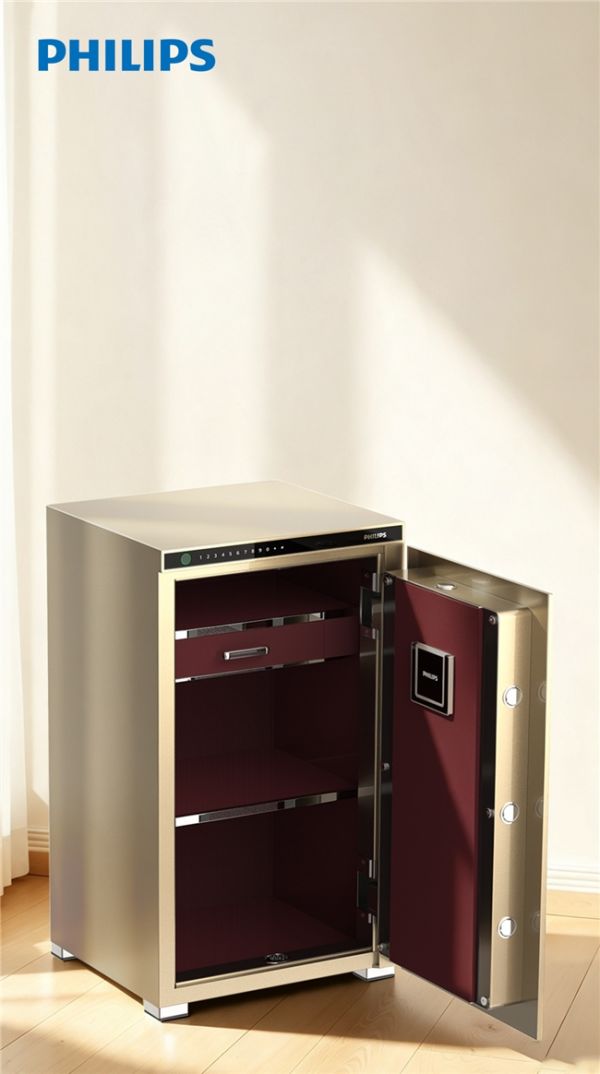
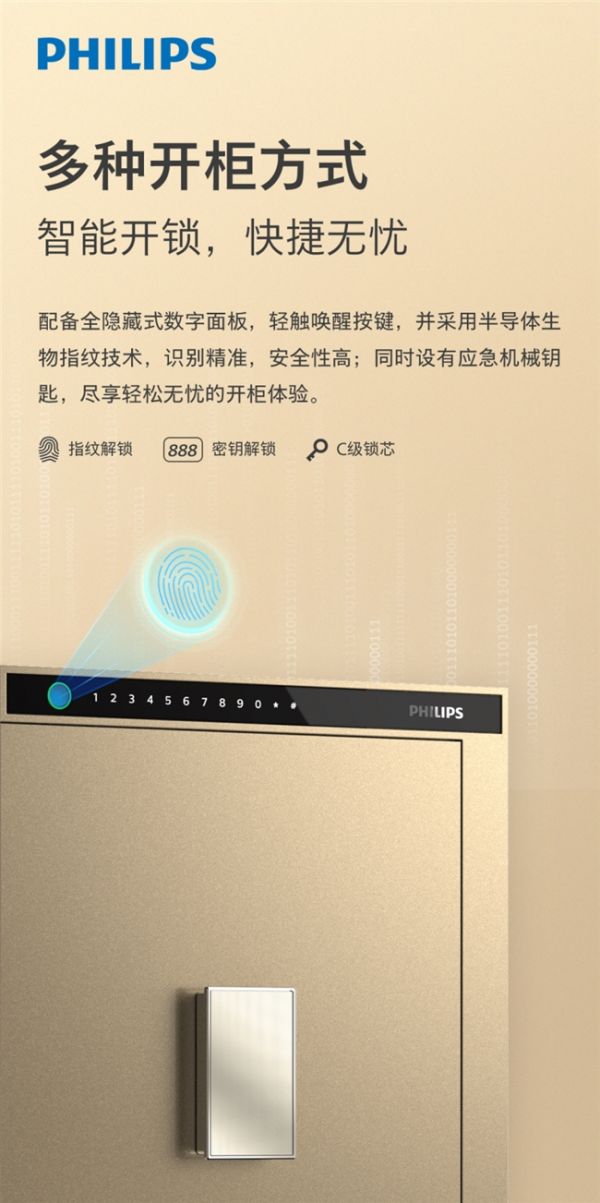
The second layer of security is identity authorization, clarifying "who can open" the safe. If physical protection is about stopping "outside forces," then identity verification is about screening "people." Modern smart safes are no longer limited to key access, and the addition of fingerprint, password, and other intelligent identity verification methods essentially defines clear opening permissions for the safe.
As a common configuration of fingerprint safes, these verification methods ensure that only authorized personnel can easily open the safe, avoiding the security risks associated with lost or copied keys. For home safes, this is particularly important: it is convenient for daily use while clearly defining usage permissions, extending safety from "anti-prying" to "anti-unauthorized opening." This is an important safety upgrade brought by smart safes.
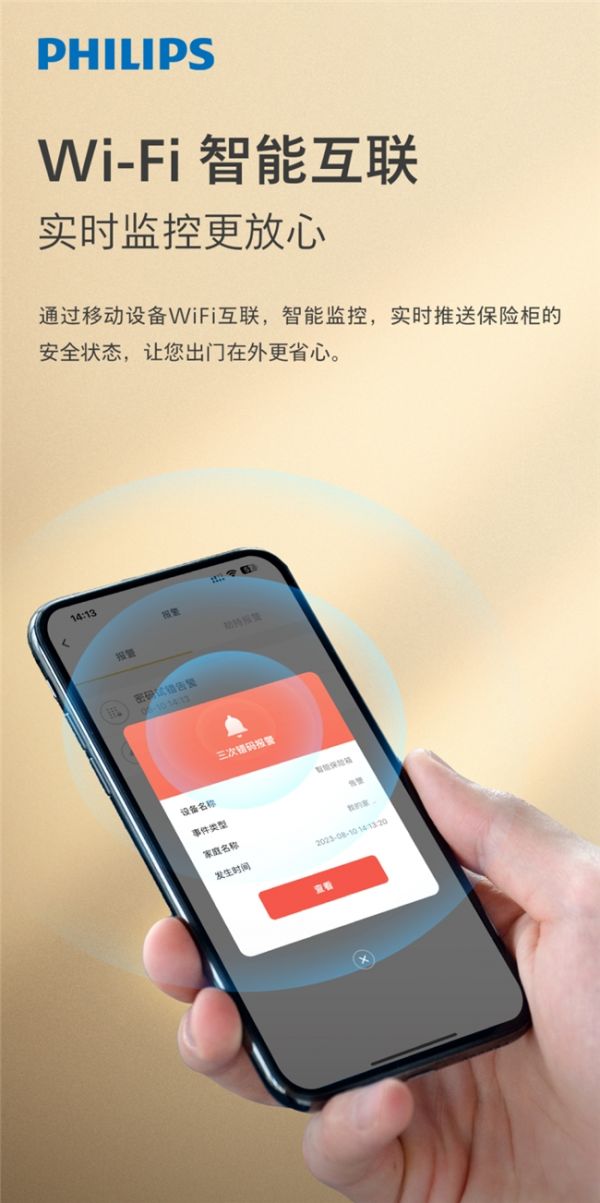
The third layer of security is usage monitoring, knowing "when it is opened." Many people imagine smart safes to be about "remote opening," but real security intelligence is more about being aware of the status. The SBX603 supports Wi-Fi smart interconnection, allowing users to check the safe's opening records, time, and frequency after binding the phone App, and also receive opening reminders and status notifications. For example, if there is a domestic helper at home during the weekdays or the elderly or children open the safe, the user can receive a reminder even if they are not at home, knowing the opening behavior.
It is particularly worth mentioning that this intelligent system follows the principle of "remote awareness, not remote control." The App does not support remote opening of the safe. In the design logic of Philips smart safes, while remote control features may seem convenient, they may bring additional security risks – whether it's device vulnerabilities, network risks, or phone loss, all of which can become security breakthroughs. Only providing status viewing, recording, and reminders, and not opening remote operation permissions, prioritizes security over convenience, making intelligent functions serve security, not sacrificing security for novelty.
The fourth layer of security is the response to special risks, covering more than just theft. Many assume that safes all have fire protection capabilities, but actually, theft and fire are two completely different security dimensions with different structural designs.
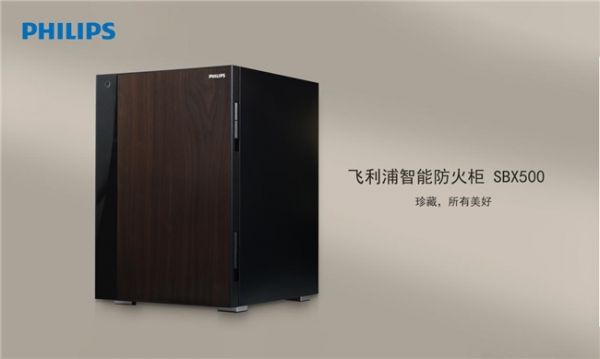
The SBX200 and SBX603 are mainly designed for daily intelligent storage and theft protection needs, suitable for storing jewelry, watches, cash, documents, and other daily valuable items. However, if you need to store important documents, paper materials, contracts, and archives, you need to consider the risk of fire, and at this point, a professional fireproof safe would be a more suitable choice. The Philips smart safe SBX500 is designed for this type of fireproof storage need, providing specialized fire protection for important document storage scenarios.
In the end, the safety of a safe does not come from a single component, but from the combined effect of multi-layer design. From basic physical structure protection to identity verification for permission management, to state awareness, and finally to specialized protection against special risks, each layer corresponds to real usage scenarios and security needs.
When choosing a safe, it's better to first think about what you want to protect and what risks you need to respond to, rather than just asking "is it safe." Different items for storage and different risk scenarios require different products. Understanding the different layers of security will make it easier to find the right one for you.
相关知识
红木家具界,揭秘十大品牌之谜?
揭秘红木家具界十大品牌之谜
一台保险柜的安全,究竟来自哪里?
简洁,不只是少一点——从飞利浦保险柜看安全设计
“共筑安全防线”保险柜耐火认证研讨会圆满落幕
2024别墅设计展圆满落幕,集宝保险柜安全守护再升级
全球布局,安全同行——飞利浦智能保险柜2026海外市场新征程
装修时保险柜怎么隐蔽 怎样选购保险柜
以科技引领奠定安全基石,飞利浦智能保险柜的革新与可持续之路
飞利浦智能保险柜:2026年全球布局新篇章
网址: 保险柜安全之谜揭秘 http://www.jiajubaike.cn/newsview155794.html
推荐即时动态






- 1自建房造价多少钱一平米 2 24995
- 2重磅出击▏欧嘉全屋定制荣获“ 17289
- 3属鼠和属兔的合不合 属鼠的和 16417
- 4大角鹿瓷砖 8438
- 5天天315,品质365!看联 6230
- 6卢森地板2022新品触感系列 6182
- 7骊住水科技第四届进博会访谈实 5710
- 8爱情数字代表的意思大全 恋爱 5696
- 9属鸡男与属鼠女相配吗 属鸡男 5035
- 10世外康养 设计中国度假式居家 4896